




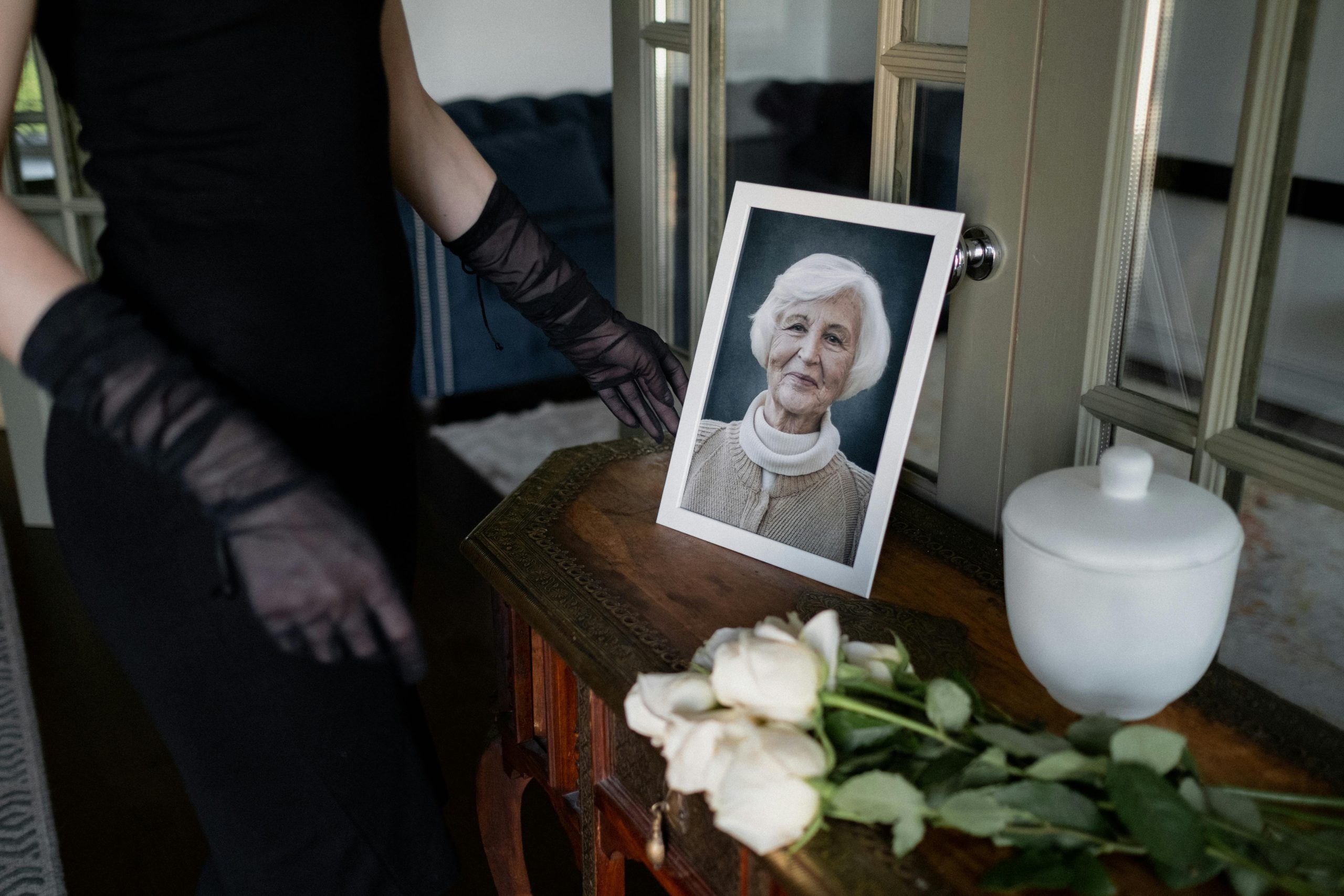
Planning end-of-life arrangements is never an easy subject to discuss. However, having a clear understanding of available options can make difficult moments more manageable for families. Over the years, funeral preferences have changed as people seek choices that feel more personal, flexible, and meaningful. Among those options, cremation has become an increasingly common choice for individuals and families with different beliefs, traditions, and preferences.
Today, cremation involves much more than a single process. Families often want services that align with emotional needs, financial considerations, and personal values.
As a result, cremation has shifted toward creating experiences that honor loved ones in ways that feel authentic and comforting. Understanding what these services include can help families make informed decisions during an emotional time.
Considering Personal Memorial Choices
One reason many families choose cremation is the flexibility it offers. Traditional funeral arrangements often follow a specific structure, while cremation can create room for more personalized memorial experiences. Families may hold gatherings immediately, schedule memorials later, or organize celebrations that reflect a loved one’s personality and life story. This flexibility can be especially helpful when family members live in different locations.
Scheduling memorials at a later date allows everyone time to travel and participate. Additionally, families can create meaningful experiences that include favorite places, personal traditions, music, photographs, or special memories.
The way people plan these moments is changing. Instead of following a set of traditions, more families want to create something that feels truly personal. Focusing on what made their loved one unique helps the family find peace and honors a life in a way that actually feels right.
Navigating Emotional Family Decisions
Grief can make even simple choices feel overwhelming. During periods of loss, families may suddenly face decisions involving arrangements, communication, planning, and emotional support. Because emotions vary from person to person, there is rarely a single approach that fits every family.
Compassionate service providers understand that families often need time, guidance, and patience throughout the process. Funeral service providers such as Beyond Cremations reflect the broader movement toward providing clear information and supportive experiences during difficult situations. Families frequently value straightforward communication because it can reduce stress during emotionally demanding times.
Additionally, understanding available choices ahead of time can help reduce uncertainty. Conversations before a crisis occurs may ease pressure and allow family members to focus more fully on emotional support and remembrance.
Although planning discussions can feel uncomfortable, they often create peace of mind later. Preparation can transform uncertainty into a greater sense of confidence and control.
Recognizing Financial Considerations
Financial concerns usually influence end-of-life decisions. Traditional funeral arrangements can involve many separate expenses, including transportation, ceremonies, facility costs, and burial preparations. Consequently, families often compare available options carefully.
Cremation may provide flexibility regarding costs because arrangements can vary widely depending on individual preferences. Some families prefer simple services, while others choose larger memorial experiences with gatherings and personalized elements. However, affordability is not always the only factor influencing decisions. Families often seek options that balance financial responsibility with emotional needs and personal values. Therefore, understanding the full scope of available services becomes important when considering long-term planning.
Open discussions regarding costs can also help reduce stress during emotionally difficult moments. Families who understand choices in advance may feel more prepared to make thoughtful decisions without feeling rushed.
Embracing Cultural and Personal Traditions
Cultural traditions and family beliefs usually guide what happens at the end of life. While cremation was once not an option in some communities, those views have changed over time. Today, many families find ways to keep their important rituals while choosing modern options.
Many families now mix traditional ceremonies with their own personal touches. Some might have a religious service before the cremation, while others prefer a memorial centered on sharing stories and memories. These choices let you honor both your family’s traditions and your loved one’s personal wishes.
As communities change, having choices becomes even more important. People want a way to say goodbye that respects their values and brings family together.
A meaningful ceremony does not have to follow a specific script or take place in a certain building. Instead, the best services are the ones that reflect the real life, relationships, and memories of the person being honored.
Creating Meaningful Lasting Memories
Memories often become one of the most lasting parts of honoring a loved one. While arrangements are important, many families ultimately remember the stories shared, the connections formed, and the moments of reflection experienced together.
Cremation services continue evolving because families increasingly value flexibility and personalization. More importantly, they seek choices that create space for remembrance while respecting individual wishes.
Meaningful experiences rarely depend on size, formality, or tradition alone. Instead, they often come from creating moments that reflect a person’s life and the relationships they have built. In the end, thoughtful planning can help families focus less on logistics and more on celebrating memories that continue long after the service itself.
